
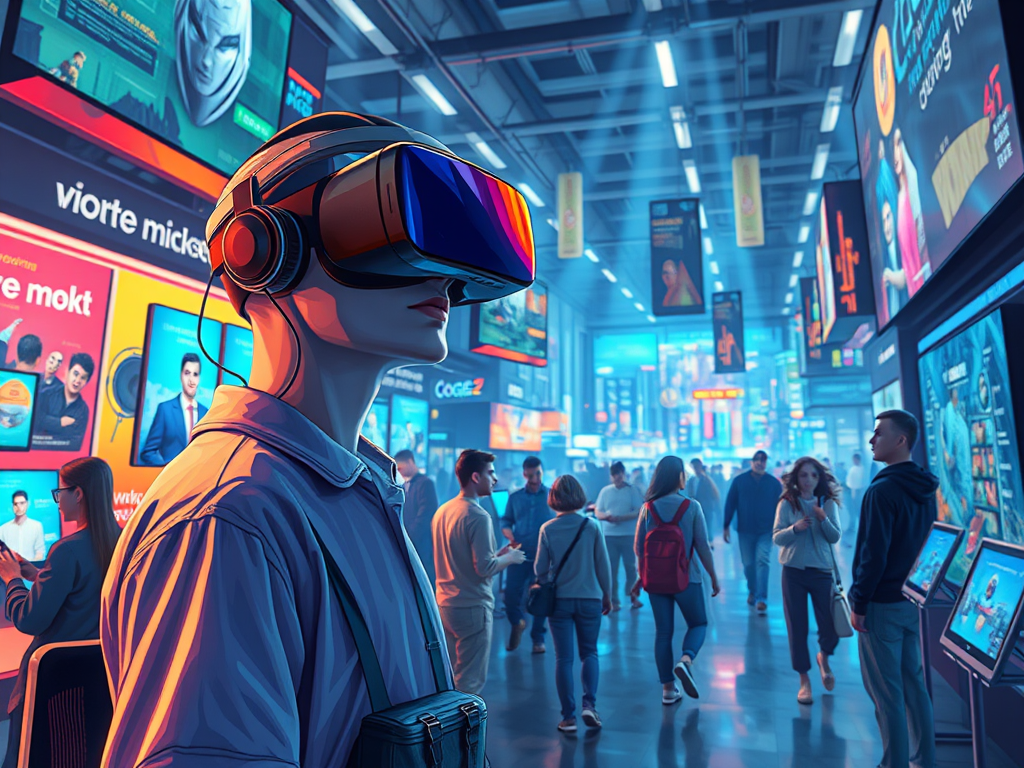
The Evolution of Advertising
Advertising has come a long way. 📺 It wasn’t long ago that brands would broadcast their messages through TV ads, print, or billboards. You watched, you listened, and that was it. Fast-forward to today, and the game has totally changed. Welcome to the era of immersive marketing—and the key player here is Augmented Reality (AR). 🌍
AR is no longer a futuristic idea. It’s being used right now across various industries like fashion, retail, sports, automotive, and real estate. Brands are using AR to create experiences that immerse their customers, driving engagement and, most importantly, conversions. 💡
AR allows customers to experience a product in their environment. It enables them to interact with a brand in real time. AR is not just revolutionizing how we advertise. It’s transforming the relationship between brands and consumers. Let’s examine how AR is being used across industries. It’s significantly impacting marketing strategies.
The Rise of Immersive Marketing
A Blend of Physical and Digital
Immersive marketing is all about turning your audience into participants. Rather than just telling them about your product, you immerse them in an experience. They can interact with and explore your brand. Whether it’s through AR, VR, or MR, immersive marketing takes traditional advertising to a whole new level.
The power of AR is that it merges the digital world with the real world. It allows customers to see, interact with, and even try products before buying. 📲 From virtual try-ons to interactive brand experiences, AR is at the heart of this shift.
The Power of Augmented Reality (AR)
AR: A Game-Changer in Consumer Interaction
So why should you care about AR? Because it drives results. 📊
Take IKEA’s AR app, for example. Customers can virtually place furniture in their living rooms. This helps them visualize how it will look before committing to a buy. 50% of IKEA’s customers use the app to make better purchasing decisions. This has led to fewer returns. It has also increased satisfaction. 🛋️ That’s the power of immersive shopping.
But AR is not just for retail—it’s transforming every sector. Whether you’re in fashion, sports, or real estate, AR is making your marketing campaigns more interactive, personal, and effective. Let’s explore how AR is being applied across different industries:
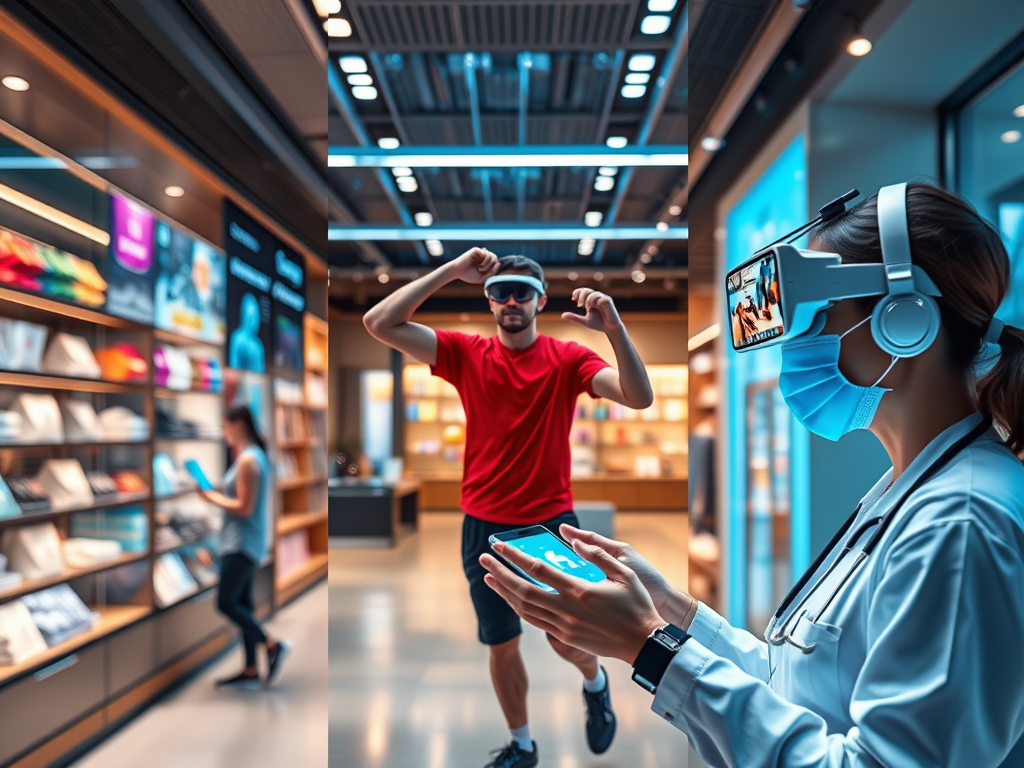
From Static Ads to Engaging Experiences Across Industries
Retail: Bringing Products to Life
Retail is one of the most obvious sectors where AR is making a huge impact. Brands like Nike and Sephora are leading the way.
Nike has an app that lets customers virtually try on shoes using their phone’s camera. This feature enables consumers to see how the shoes look in their environment. It also allows them to feel how the shoes fit. As a result, there is higher engagement and more conversions. According to Nike, this AR feature has played a key role in the success of product launches. It drives excitement. It also enhances customer interaction. 👟Nike AR Try-On
Meanwhile, Sephora‘s AR beauty app lets customers try on makeup virtually. Customers can experiment with lipstick shades, eye shadows, and foundation—all from the comfort of their home. 💄 Sephora has reported significant increases in sales from users who engaged with AR features before purchasing. Sephora AR Try-On
Sports: Engaging Fans Like Never Before
Sports has also embraced AR to create dynamic fan experiences. Whether it’s enhancing the live game experience or providing virtual interactions with favorite teams, AR is making its mark.
During the NBA All-Star Game, fans were able to interact with AR filters on social media platforms. They use Snapchat to try on virtual jerseys and show off their team spirit. 🏀 This drove higher engagement and increased brand visibility for the NBA. NBA All-Star AR
Formula 1 has also used AR to bring fans closer to the race. Their AR app allows users to view live car data. This includes lap times, tire pressure, and driver stats. These stats are overlaid in real time on their phones while watching the race. This brings an entirely new level of engagement and understanding of the sport. 🚗 F1 AR Fan Experience
In sports, AR doesn’t just create content—it builds relationships with fans by putting them inside the action.

Automotive: Test-Driving the Future
The automotive industry has also started using AR to create more interactive and immersive customer journeys. BMW and Audi have both used AR apps to let potential customers visualize cars in their environment. 🏎️
For example, Audi’s AR app allows customers to use their smartphones to place a virtual Audi car in their garage. This lets them see the vehicle from all angles before making a purchase. This experience increases confidence and can lead to higher conversion rates. Audi AR Experience.
Real Estate: Virtual Property Tours
Real estate has also found a major ally in AR. AR apps allow potential home buyers to take virtual tours of properties without leaving their homes. 🏠 AR offers an immersive experience in two ways. It helps clients visualize how a furniture piece fits in a room. It also allows for exploring entire homes. This helps clients make decisions faster.
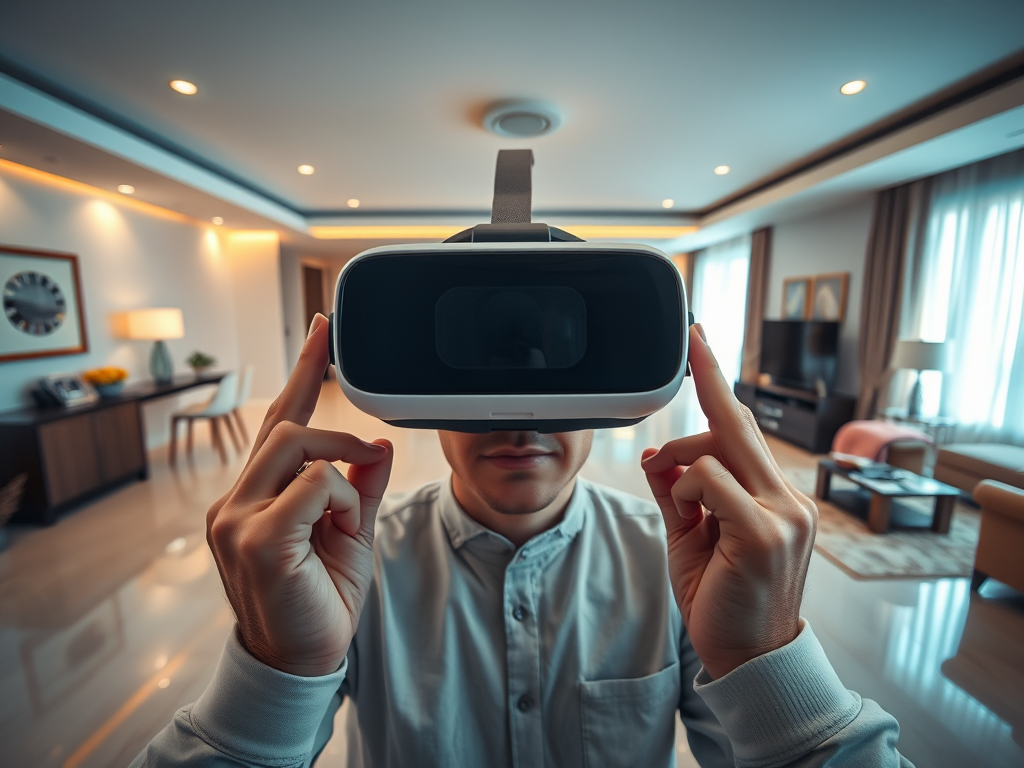
For example, Zillow and Trulia use AR to provide users with virtual home tours. This allows them to explore properties from any location. This feature has streamlined the buying process, giving consumers the ability to view a property before even stepping foot inside. Zillow AR
The Benefits of AR Advertising
Boosting Engagement, Conversion Rates, and ROI
Here’s why AR is an absolute game-changer:
- Increased Engagement: AR ads keep consumers engaged for longer periods, with Snapchat reporting 25% higher engagement rates than traditional formats. When consumers can interact with a brand, they form stronger emotional connections. 📲 Source: Snapchat AR
- Better Targeting: AR allows you to personalize experiences for users based on their preferences, location, and past behavior. Imagine showing a potential car buyer how the model would look in their driveway. Show a shopper how a pair of shoes fits in their wardrobe. 🎯
Higher ROI: L’Oreal saw a 10x increase in conversions with their AR makeup try-on feature. PepsiCo also reported a 33% increase in customer interaction after using AR in campaigns. 💰 Source: L’Oreal AR Marketing
Consumer Behavior in the Age of AR
Shifting Consumer Expectations
Consumers today expect more than traditional ads. According to Nielsen, 51% of consumers are more likely to make a purchase after interacting with AR content. This shift shows how **AR is no longer just a nice-to-have**—it’s an essential part of the consumer journey. Nielsen AR Study
Challenges of AR in Advertising
Tech Limitations and Privacy Concerns
While AR is a fantastic tool, it’s not without its challenges. Not everyone has access to AR-enabled devices, and the technology can sometimes be tricky to implement. Additionally, privacy concerns arise when brands collect data through AR apps. But as the tech matures, these hurdles will become less of an issue. 🔧
Conclusion: The Future is Immersive
The shift from static ads to immersive marketing is here—and it’s happening across every industry. AR has proven to be a game-changer. It can engage consumers and create personalized experiences. It also drives conversions, making it a must-have for any brand. 🚀 AR is an invaluable tool in retail, sports, automotive, and real estate. It helps increase engagement and boost sales.
If you’re not already using AR in your marketing campaigns, now is the time to get started. The future of advertising is immersive, and you don’t want to be left behind. 💡
 The Filter You Blog
Leave a comment